-
At GOODE, we started from
the ground up to design a water ski boot system that increases
edge power, control and comfort over rubber boots.
Water ski boots must perform two functions; 1.) Hold your
foot to the ski and to provide control and 2.) To release from your
foot in a bad fall. Rubber boots do neither well. The tighter
you make the rubber boots for increased control, the more they
hurt and the less they come off in a fall. The looser you make a
rubber boot the more comfort and safety you will have, but you
will lose control and power.
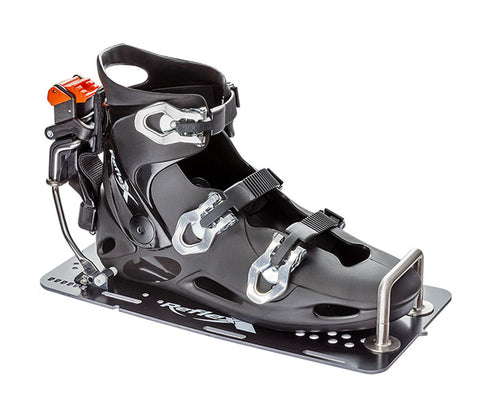
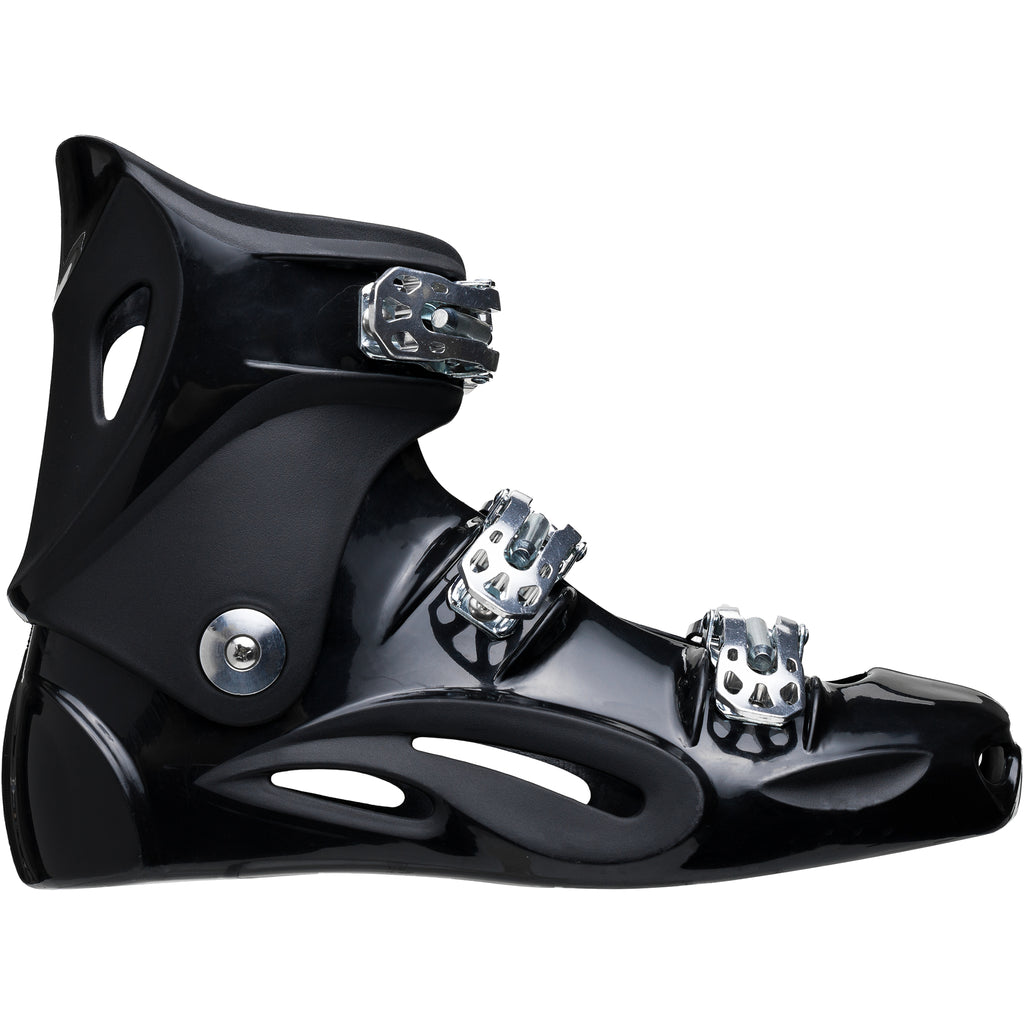
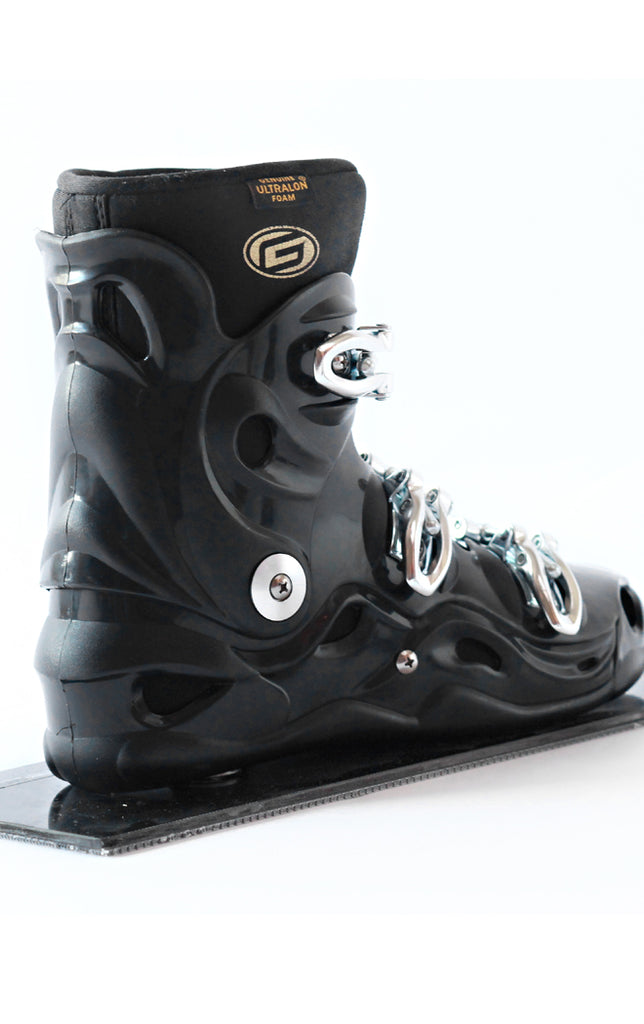
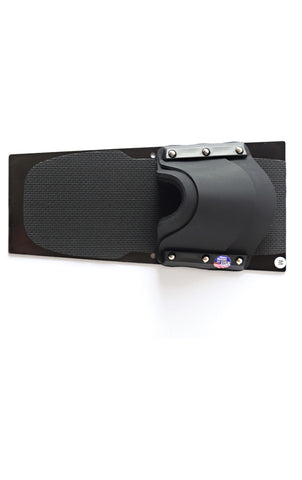
The GOODE PowerShell
System does both functions better. The GOODE
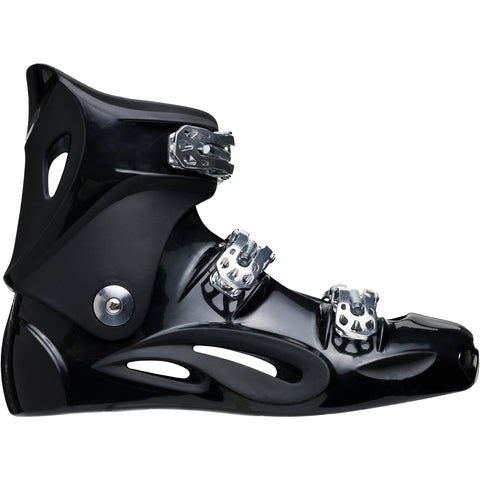
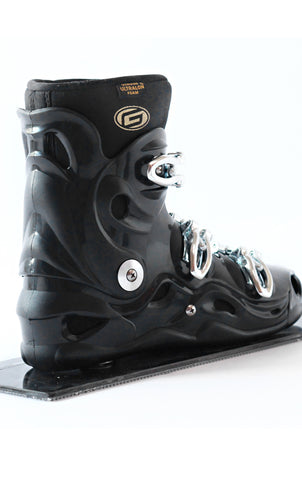
PowerShell Boots fit comfortably on your feet and provide
increased edge control and power. The Inter-Loc System is
mounted on a binding plate that is releasable from the ski. It's
a screwless binding system.
In September, 1996, I broke my left ankle while skiing in a
rubber water ski boot. After six weeks in a cast I vowed never
to put my foot back in a rubber boot. I hear from a lot of
skiers and this is an all too common problem. It was from this
accident and with new determination that I developed the GOODE
PowerShell System. Although I am not promoting this as a safety
binding, since I believe you can still get hurt while skiing
with it, I do believe that it is safer than traditional rubber
water ski boots.
In addition, the Inter-Loc System allows your ski to
"Free-Flex". The system does not bind or change the
ski's flex as do traditional rubber boot plates or other brands
of hardshell boots. The PowerShell System is also much lighter
than traditional rubber boots.
The technical advantages of hardshell bindings are evident by
their performances. Will Asher (GBR) was the silver medallist at
the 2003 World Championship and skied the GOODE
9500 and GOODE
PowerShell System. (Photo below). At the 2003 U.S. Nationals,
Men's Open Division, the first 3 places were on hardshell boots.
Now that fiberglass skis are obsolete, why not make your rubber
boots obsolete, too?

Will Asher (GBR) 2nd Place World Championships -
PowerShell
Try the new GOODE PowerShelltm
4 system today! Click here to see our Demo
Program Details.
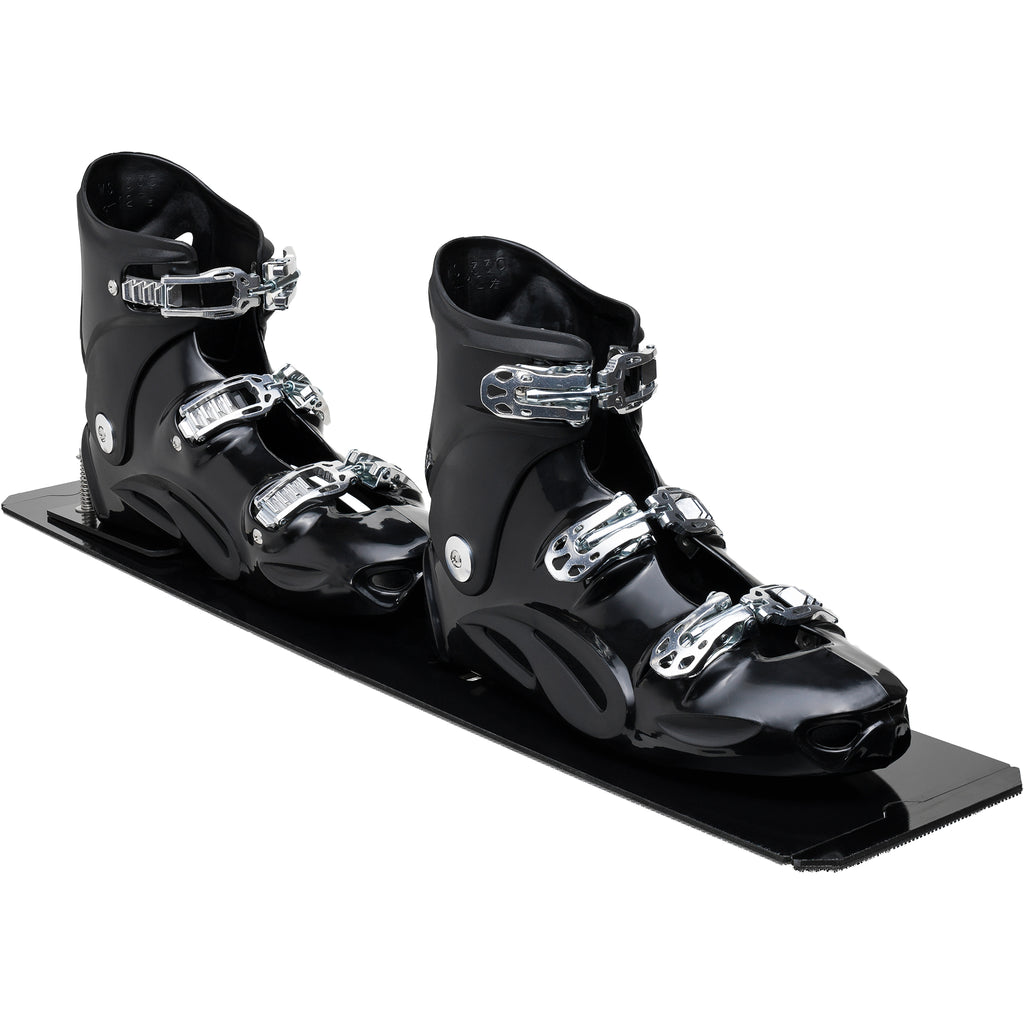
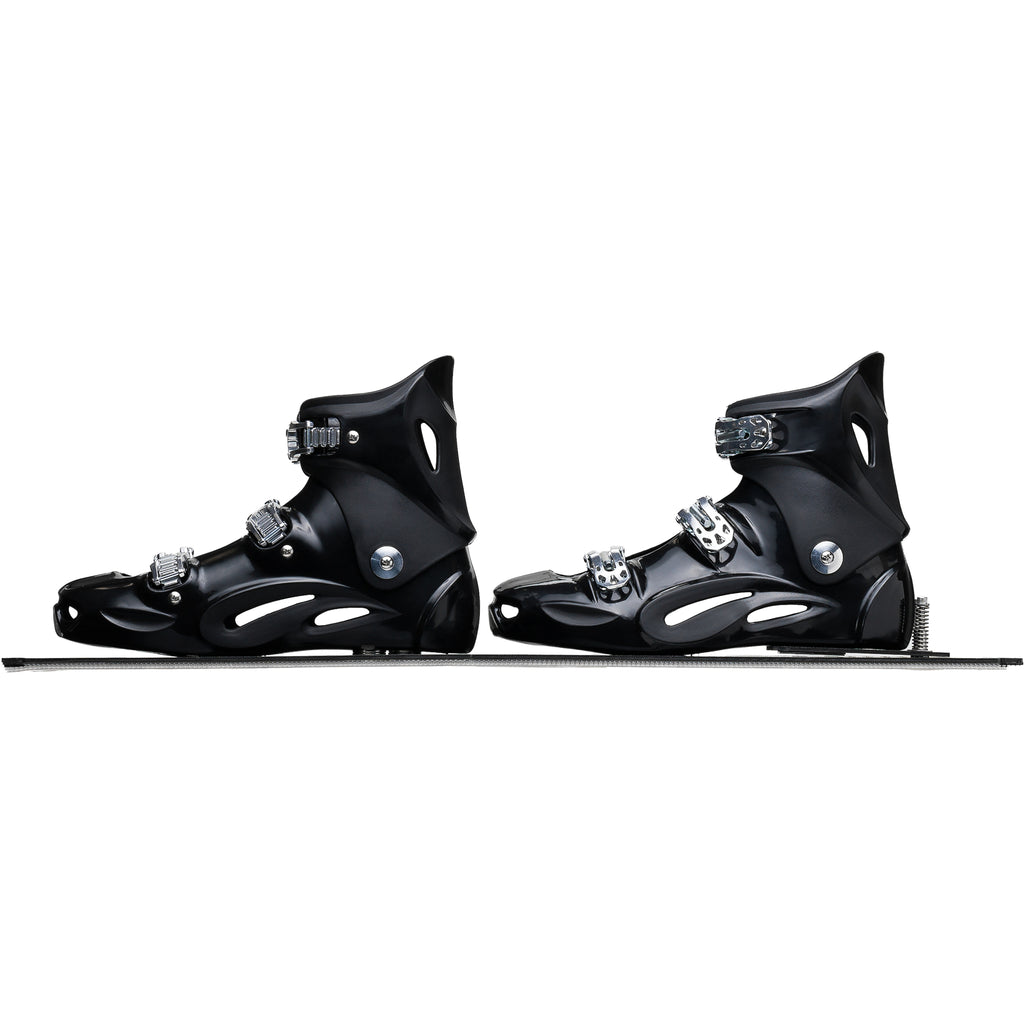
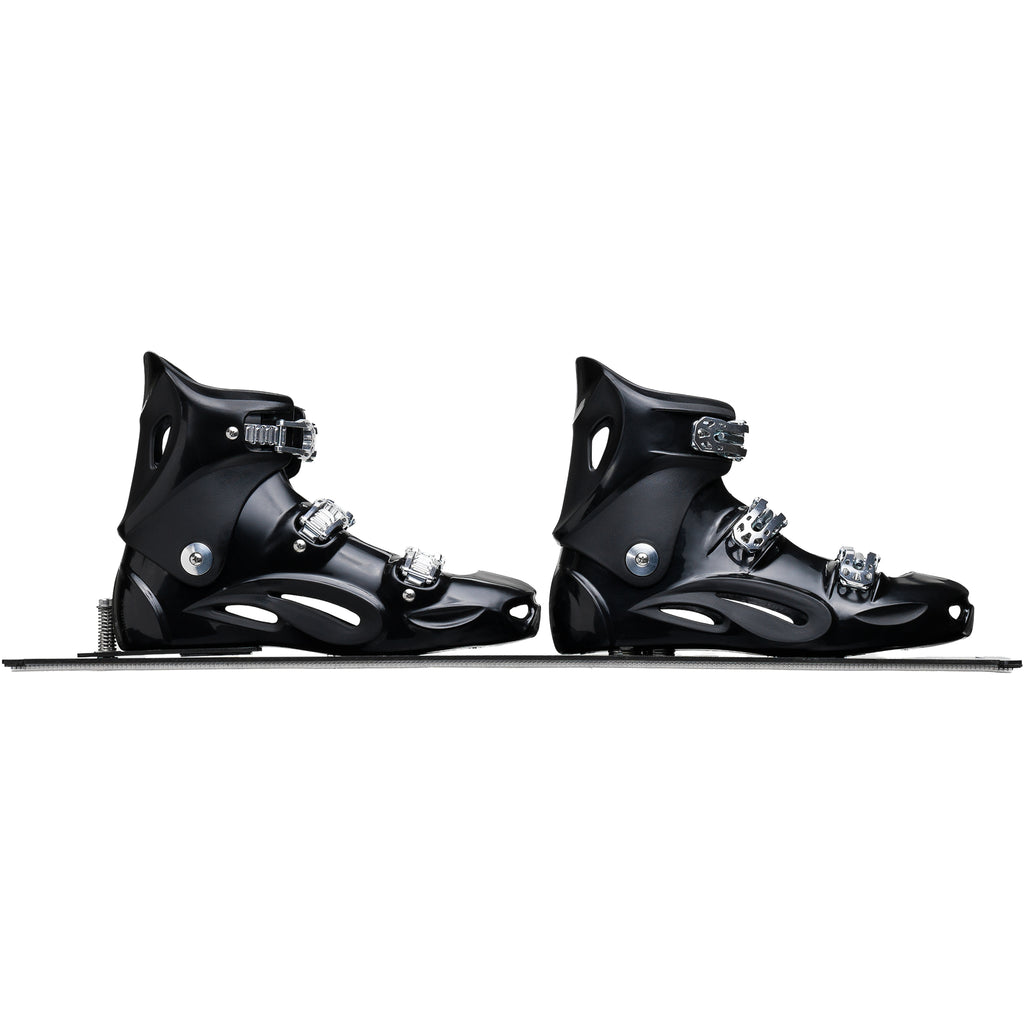
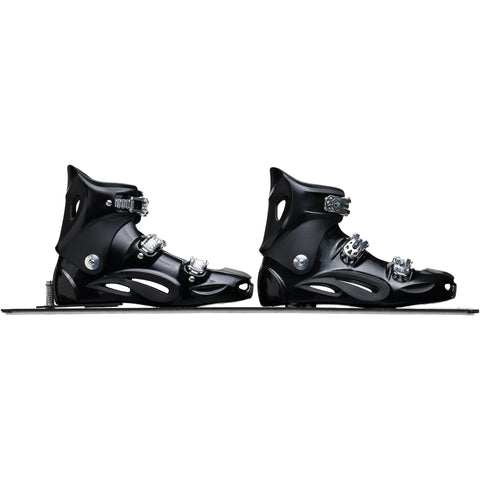
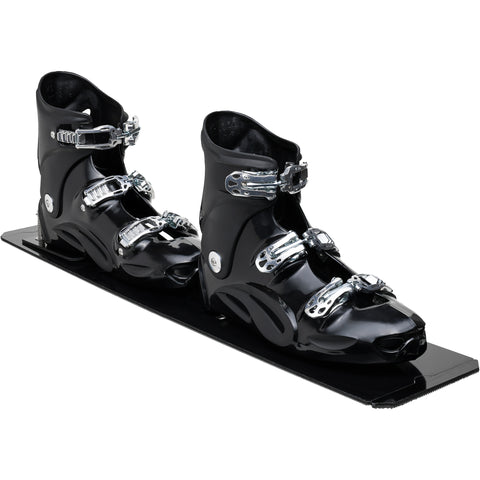
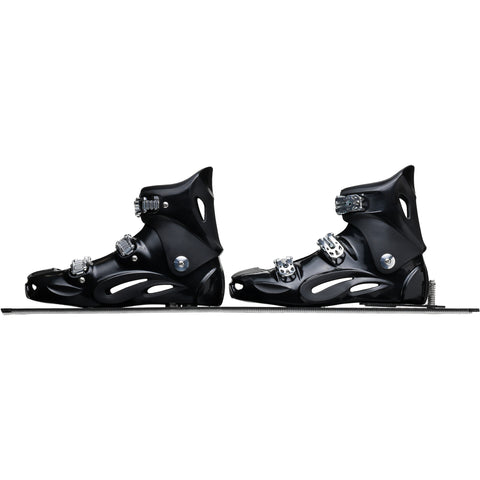
The GOODE PowerShelltm
4 Double Boot System features two hard boots with lock
down buckles on a single G-10 Composite plate; internal adjustable straps;
New Boot Rotation System and adjustable rear
double spring heel hold down system. The double spring system allows your rear foot
heel to raise which adds Power to your edge change behind the
boat. During a fall, both boots release on a single plate.

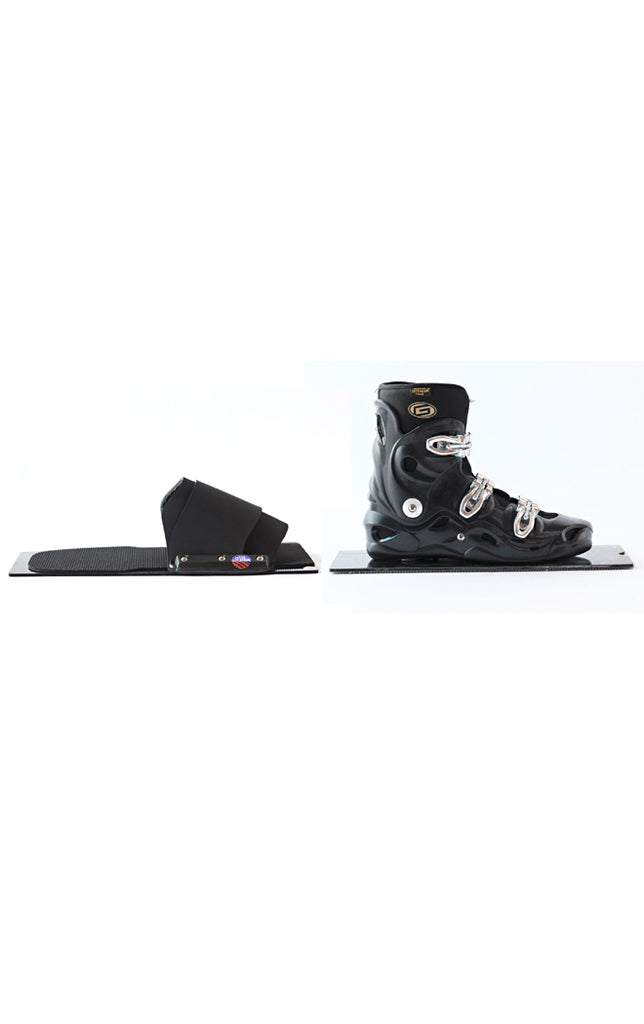
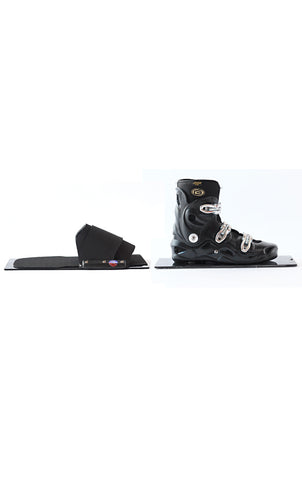
The GOODE PowerShelltm
4 Single Boot System features one
hard boot with lock
down buckles on a G-10 Composite plate; internal adjustable straps and a rear toe
slip. The
front boot is on a separate plate from the rear toe slip. During a fall,
only the front boot releases from the ski.

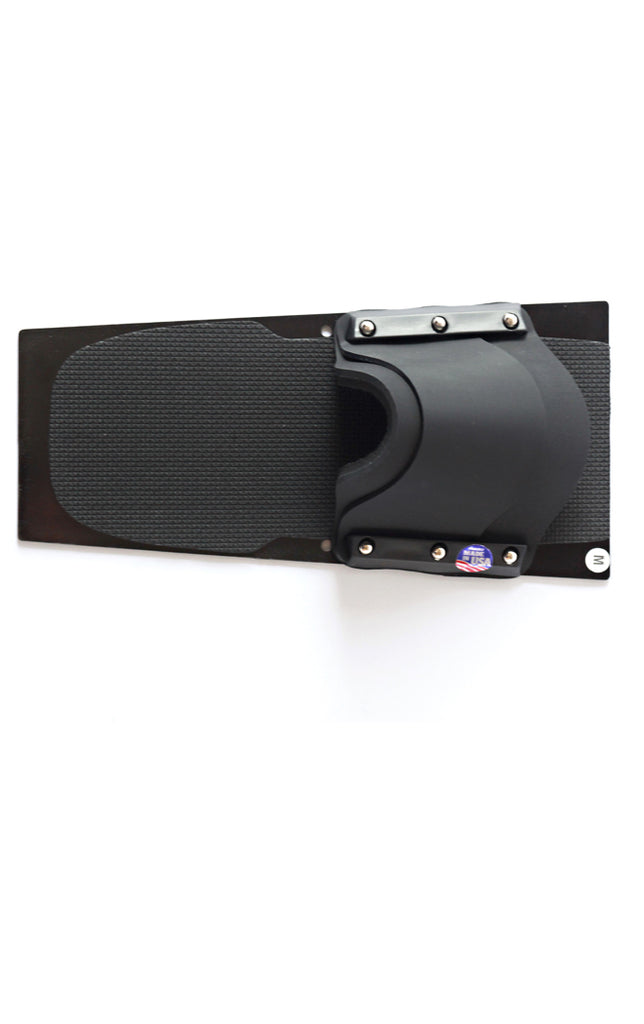
The GOODE PowerShellTM 4 Binding System is
made of hard shell boots, attached with adjustable stainless screws to
a G-10 composite binding plate. The binding plate attaches to the ski
with the patented Inter-LocTM System. The
InterLocTM attaches to the plate and to the ski
with an adhesive. This material has incredible holding power, about 35
lbs. per square inch. When pressed together, hundreds of
mushroom-shaped stem interlock with one another. An audible snap
announces that the Inter-LocTM is locked.
In the event of a hard fall, the binding plate will separate from
the ski. Two "Puzzle Pieces" help relocate the binding
plate. You can adjust the force that the PowerShellTM
4 releases by adding or removing the amount of Inter-LocTM
between the binding plate and ski. As a rule, you should have about
1-1/2" length of Inter-LocTM material
behind your rear foot. If your binding plate releases too easily then
you can add additional Inter-LocTM. If you feel
that you have fallen and the ski should have released, you can remove
Inter-LocTM by trimming it with a razor knife
and peeling if off either the ski or the binding plate.
The PowerShellTM 4 Binding System allows for
micro adjustmentsments of the individual boots forward, backward and
angling them side to side, allowing you to precisely adjust your
balance and stance.
Skiers with double boots have two adjustment options for their rear
boot heel raise: 1.) Fixed heel option or 2.) Heel raise option. The
fixed heel option does not allow the skiers back foot heel to raise
off of the ski. With the ski heel raise option (recommended)
installed, skiers can adjust their rear spring tension to allow their
rear heel to raise. This slight heel raise permits the skier to place
weight on the front of the ski allowing it to slow at the buoy.
The following chart is a size selection
guide for the GOODE PowerShell Boots. The boots should be
fitted so they are not tight. Performance is obtained
from the lateral stiffness of the hard shell; not how
tight the boot fits your foot. If you require arch
supports or orthotics, allow for the necessary extra
room.


1.) To install bindings on the ski, place the
PowerShell binding plate on the ski in the proper
location (See Mounting Locations).
Using a pencil, trace the plate outline onto the ski.
2.) To install the Inter-Loc to the ski, clean the
area marked, plus 1-1/2" longer on both the front
and back, using isopropyl alcohol and a cloth. Allow to
dry 1 minute.

3.) Peel back adhesive 3M backing from the Inter-Loc.
Carefully position the Inter-Loc 1-1/2" ahead of the
pencil line closest to the tip running to 1-1/2"
behind the pencil line closest to the tail. The Inter-Loc
should be positioned following the pencil line down each
top edge of the ski. Using your fingers press the
Inter-Loc down securely to the ski.
4..) Snap the PowerShell binding plate to the to the
ski by pressing them firmly together. (Measure to make
sure front boot is positioned according to the Binding
Mounting Location Chart.) Use a rubber mallet to fully
lock the Inter-Loc together by tapping on top of the
binding plate.
5.) When pressed together, hundreds of mushroom-shaped
stems interlock with one another. An audible
"Snap!" announces that the Inter-Loc is locked.
Also, visually check to see that the Inter-Loc is snapped
together.
6.) Place the larger front "Puzzle Piece"
tightly against the PowerShell binding plate and snap
into place. Place the smaller rear "Puzzle
Piece" tightly against the PowerShell binding plate
and snap into place. These "Puzzle Pieces" help relocate the binding plate when it releases.
| MODEL |
62" |
64" |
65.5" |
66.25" |
67" |
69" |
| 9100 |
|
29.25" |
29.5" |
|
30.5" |
|
| 9200 |
28" |
29.125" |
29.375" |
|
30.375" |
|
| 9200
LTD |
28" |
29.125 |
29.375 |
|
30.375 |
|
| 9300 |
28.125 |
29.25" |
29.5" |
|
30.5" |
|
| 9400 |
28" |
29" |
29.25" |
|
30.25" |
|
| 9500** |
28" |
28.875" |
29.125" |
29.5" |
30.125" |
31.125" |
**As of 06/15/03 the new 9500 mounting location
specifications have been move back .125" (1/8") from
previously suggested mounting locations. CAUTION - Do not set-up
the 9500 like previous models. The 9500 has a different flex/torsion
ratio and works best with the bindings mounted as suggested above.
To adjust your bindings location:
1.) Move either the front or back "Puzzle
Piece" to the new desired location.
2.) Pry a corner of the Inter-Loc binding plate off
using a large standard screwdriver or claw hammer. Be
careful not to gouge or damage the ski's top.
3.) Re-snap the PowerShell binding plate to the ski by
pressing them firmly together. Use a rubber mallet to
fully lock the Inter-Loc together by tapping on top of
the binding plate. When pressed together, hundreds of
mushroom-shaped stems interlock with one another. An
audible "Snap!" announces that the Inter-Loc is
locked. Also, visually check to see that the Inter-Loc is
snapped together.
4.) Move the other "Puzzle Piece" close to
the Inter-Loc plate and snap it into place.
Moving the bindings forward will cause the front of
the ski to ride deeper in the water. Moving the bindings
back will cause the tip of the ski to rise out of the
water.
Before skiing each time visually check to see that the
Inter-Loc is snapped together.
To put the boots on your feet, remove the liners and
slip them on your feet (this will prevent
"bunching"). Start with your back foot first.
No soap is needed. Buckle the straps to the desired
tightness. The boots should be comfortable, not tight.
It is recommend that you count and remember the number
of "Clicks" of each buckle so that you can
repeat your settings each time you ski. You can feel
the performance difference of each "Click". The
tighter the boots, the more edge control. You may need to
back off a "Click" if you have too much edge.
It is recommended that the back boot, middle strap, be
the loosest of all the buckles. Your rear foot heel
actually lifts slightly while skiing.
When through skiing, remove the liners so that they
can dry. The liners are not designed to walk in.
|